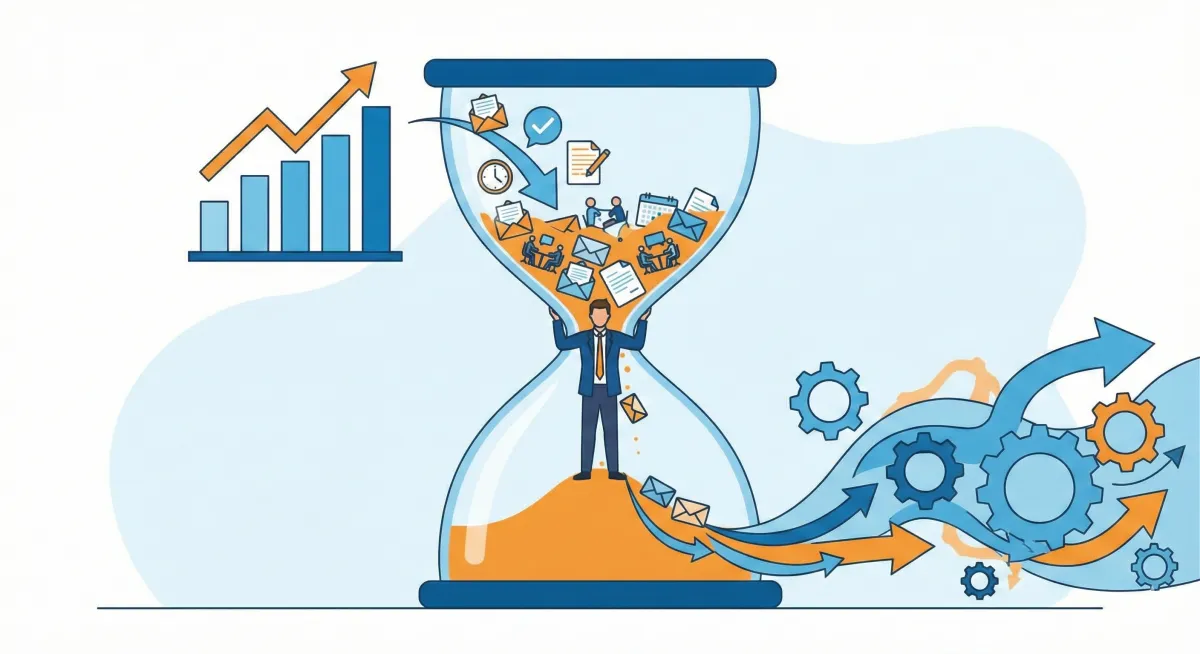
When You’re the Bottleneck: Signs Your Business Has Outgrown You
Most founders don’t realize they’ve become the bottleneck until growth starts to feel heavy.
Revenue may be increasing. The team may be expanding. Demand may be steady.
And yet — decisions feel slower. Execution feels inconsistent. Progress feels harder than it should.
In many cases, the issue isn’t market conditions or team capability.
It’s structural dependency.
As businesses grow, informal leadership habits that once worked begin to strain under complexity. What worked when you had five clients will not sustain thirty. What worked when you had two team members will not scale to eight.
Here are the most common signs that your business has outgrown your current level of involvement.
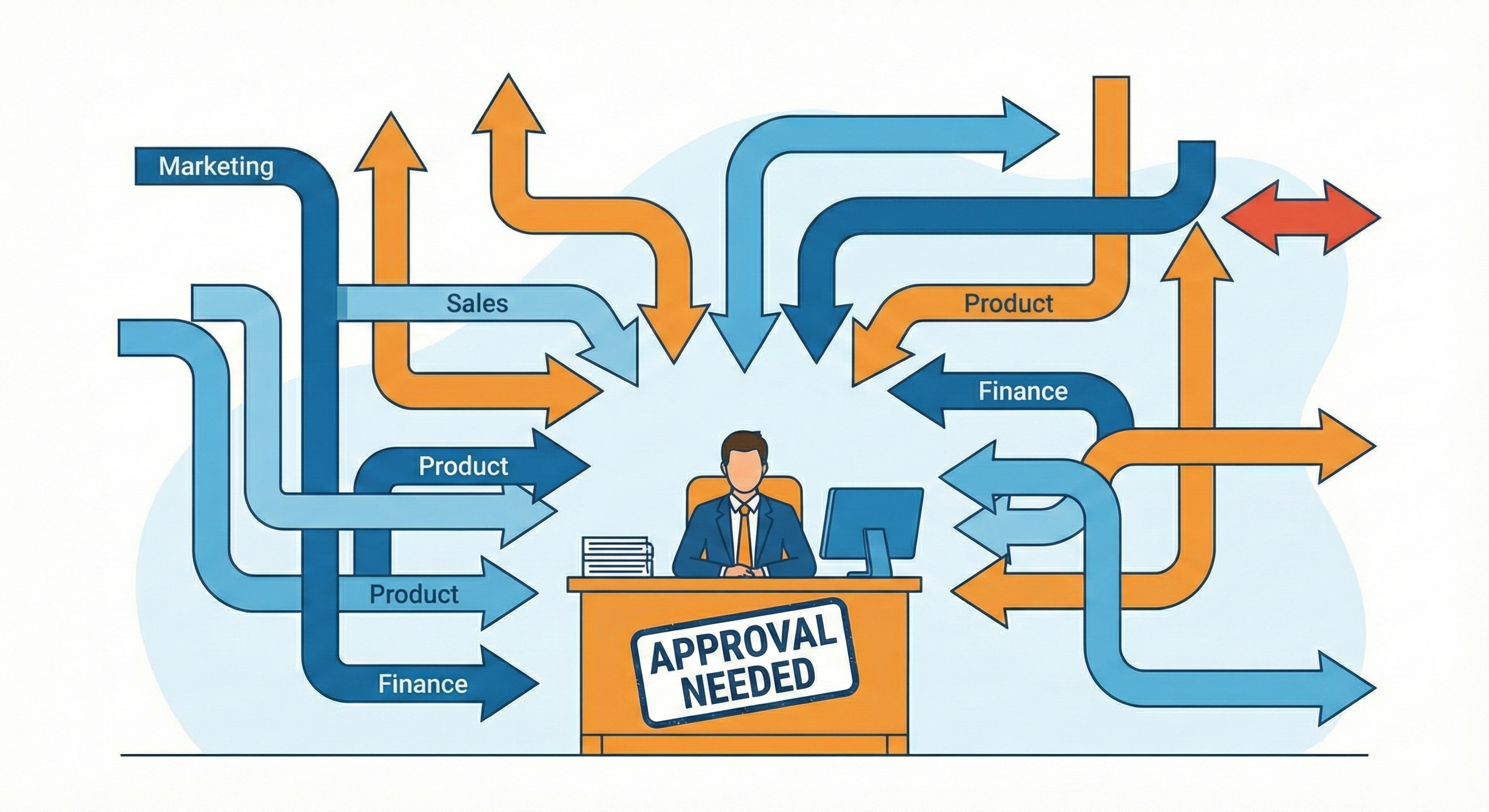
1. Every Decision Routes Through You
If routine decisions still require your approval, your business is structurally dependent on you.
You may believe you are maintaining quality control. But what is often happening is that you are unintentionally slowing execution.
When team members hesitate to move forward without confirmation, it’s usually not a competence issue. It’s a clarity issue.
Strong systems define boundaries. They clarify what can be decided independently and what requires escalation.
If everything escalates to you, the system hasn’t matured.
2. Delegation Feels Risky
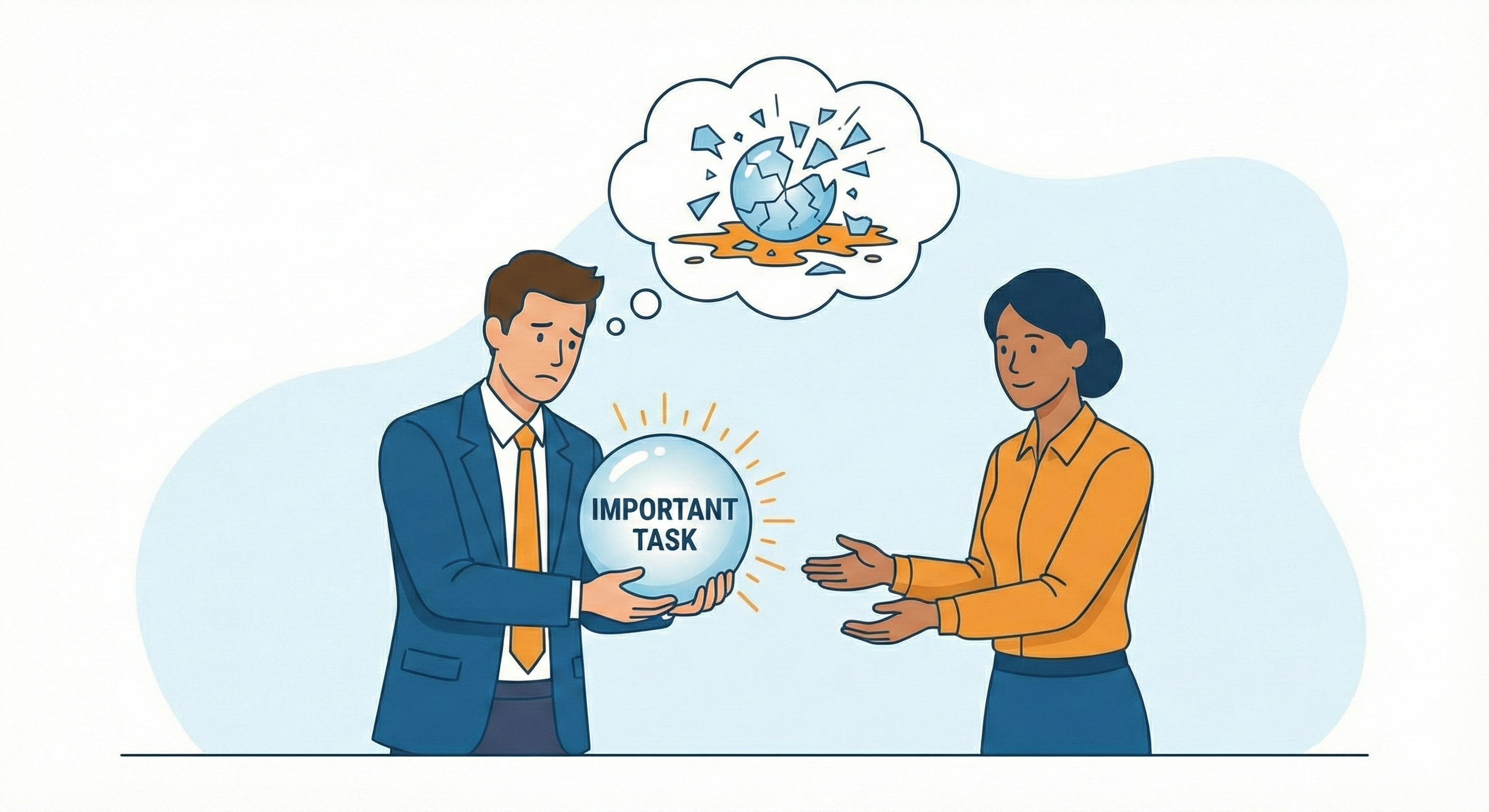
Many leaders say they want to delegate, but when the moment comes, they pull the work back.
Why?
Because delegation without structure feels risky.
If processes are unclear, expectations are inconsistent, or outcomes are loosely defined, delegation will always feel unsafe. And so the work returns to the founder.
This is not a delegation failure. It’s a systems gap.
Effective delegation requires documented processes, clear success metrics, and aligned accountability. Without those elements, involvement feels necessary — even when it shouldn’t be.
3. Growth Increases Pressure Instead of Freedom
In healthy businesses, growth creates capacity.
In immature structures, growth increases pressure.
If new clients create operational strain…
If new hires increase confusion…
If expansion requires more oversight instead of less…
The business is expanding without structural reinforcement.
Growth amplifies weaknesses. It does not solve them.

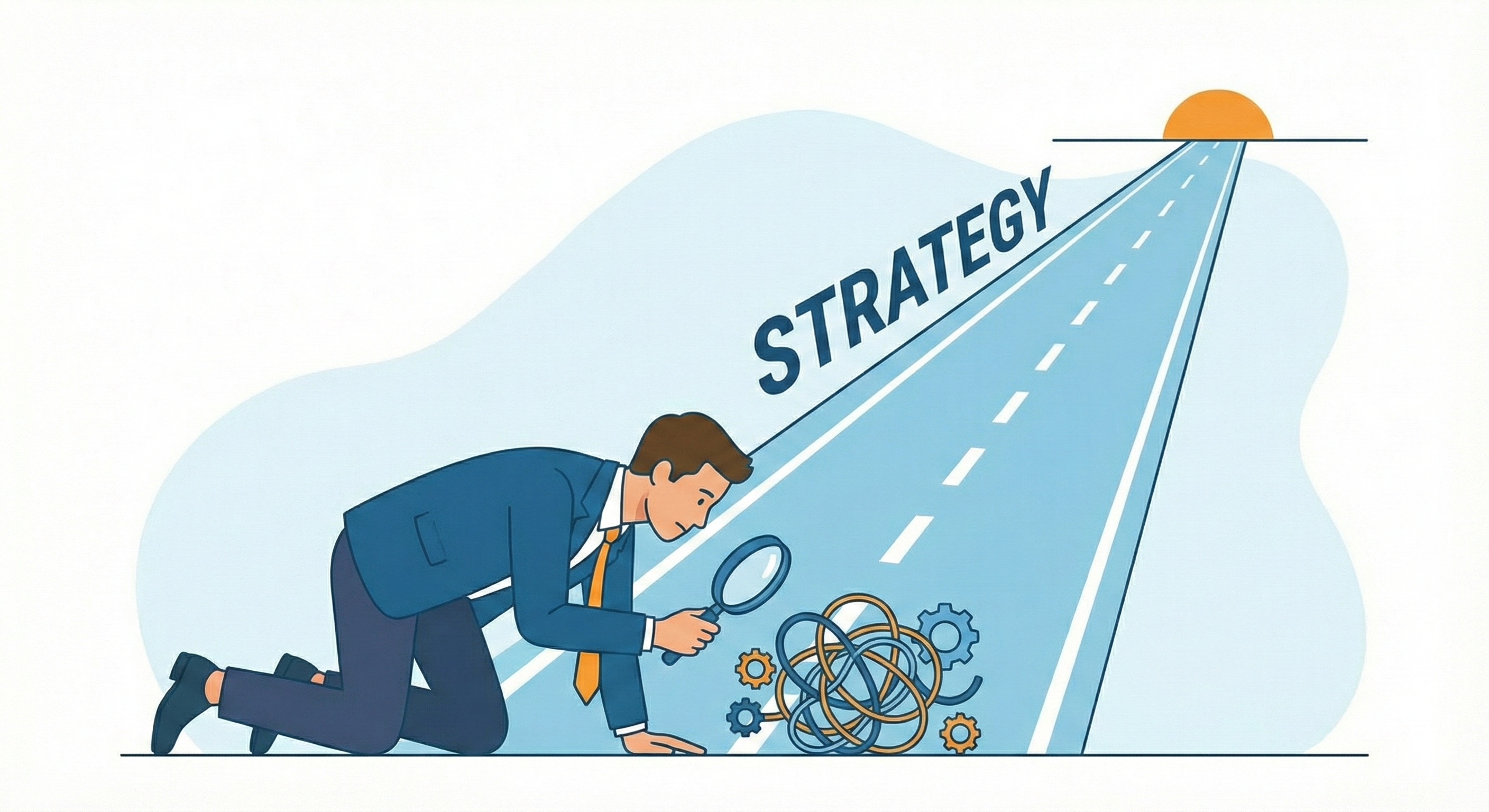
4. You Spend More Time Managing Friction Than Driving Strategy
Founders often find themselves resolving the same types of issues repeatedly:
Clarifying misunderstandings
Fixing preventable errors
Re-explaining expectations
Re-prioritizing work
When leadership time shifts from strategy to constant friction management, that is a structural signal.
Strong operational design reduces recurring confusion. It prevents friction from becoming a daily leadership responsibility.
If you are spending more time managing the machine than steering it, the machine likely needs redesign.
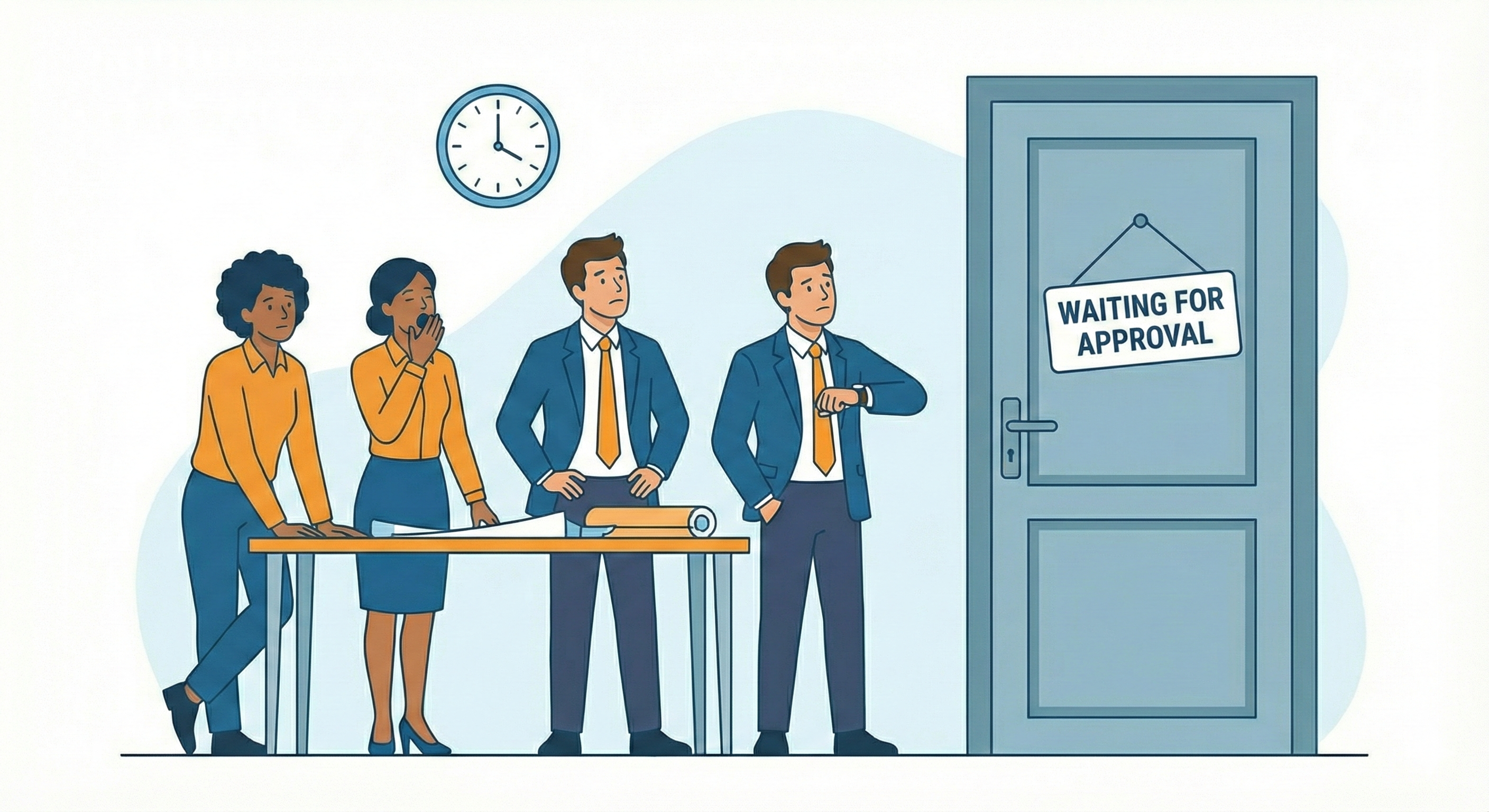
5. Your Team Waits Instead of Moves
One subtle indicator of bottleneck leadership is hesitation.
When team members pause frequently for reassurance, direction, or correction, it signals dependency.
Dependency often forms unintentionally. Leaders answer quickly. They fix things themselves. They jump in to prevent delays.
Over time, the team learns that movement is safer with confirmation.
The result? Execution slows — not because of talent limitations, but because autonomy was never structurally supported.
6. You Feel Indispensable — and Exhausted
Being indispensable can feel validating.
It can also be unsustainable.
If the business cannot function without your daily intervention, you have built centrality — not scalability.
Sustainable growth requires distributed ownership.
That does not mean disengagement. It means structured leadership.

The Real Issue Isn’t Control — It’s Design
Becoming the bottleneck is rarely about ego or micromanagement.
It is usually about evolution.
Founders build businesses through direct involvement. That involvement creates early success. But the same habits that launch a business often inhibit its next stage.
The shift from doer to leader requires intentional system design.
It requires:
Clear role definition
Defined decision rights
Documented processes
Operational review rhythms
Accountability structures
Without these, leadership remains centralized by default.
The Turning Point
The moment a business outgrows its founder’s operating style is not a failure.
It is a signal.
It signals readiness for maturity.
When leaders recognize structural dependency early, they can redesign intentionally. When they ignore it, pressure compounds.
The goal is not to remove the founder from the business.
The goal is to remove unnecessary dependency from execution.
Because growth should create capacity — not constant strain.
And when structure supports leadership properly, scale begins to feel lighter, not heavier.